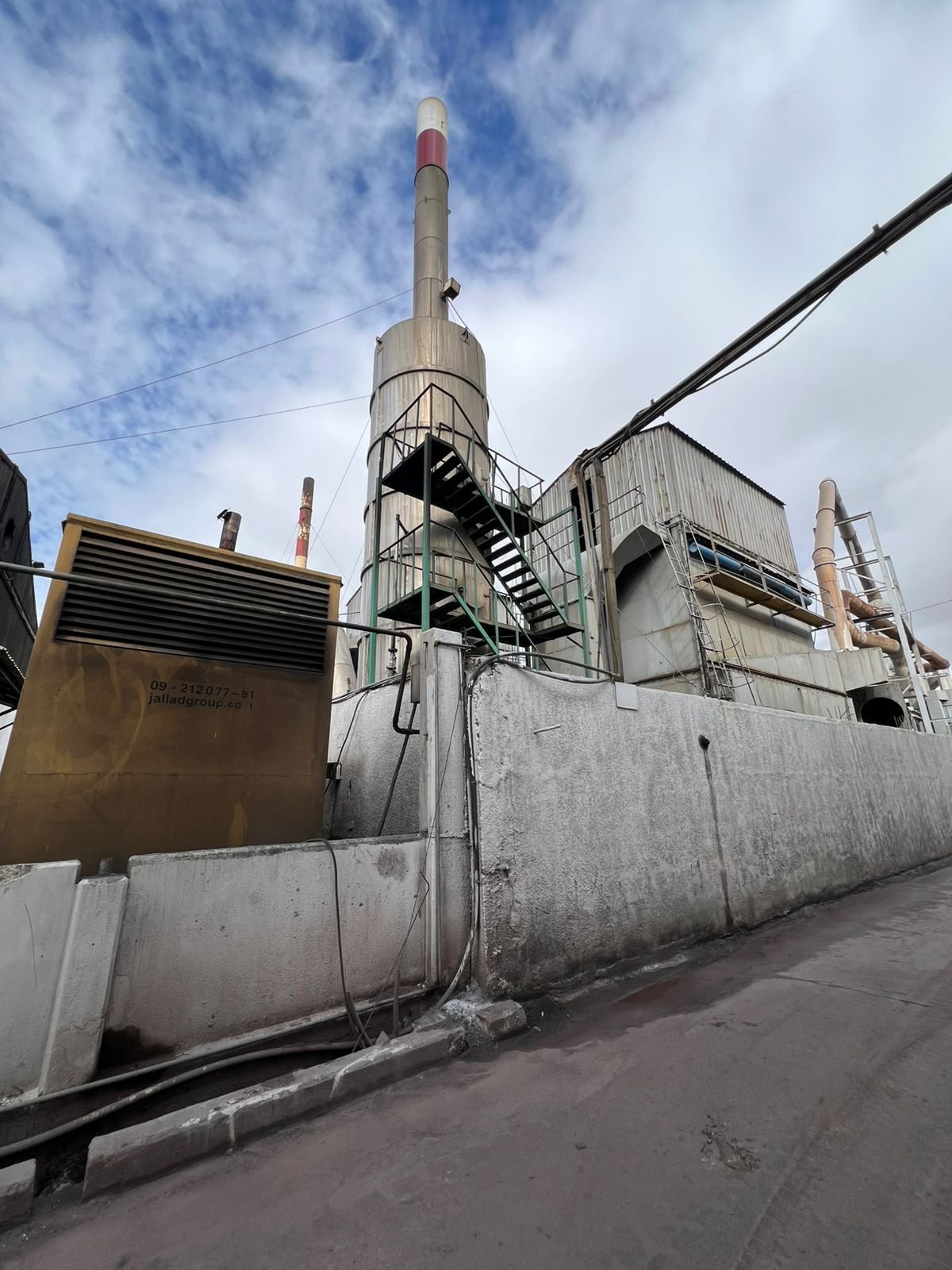
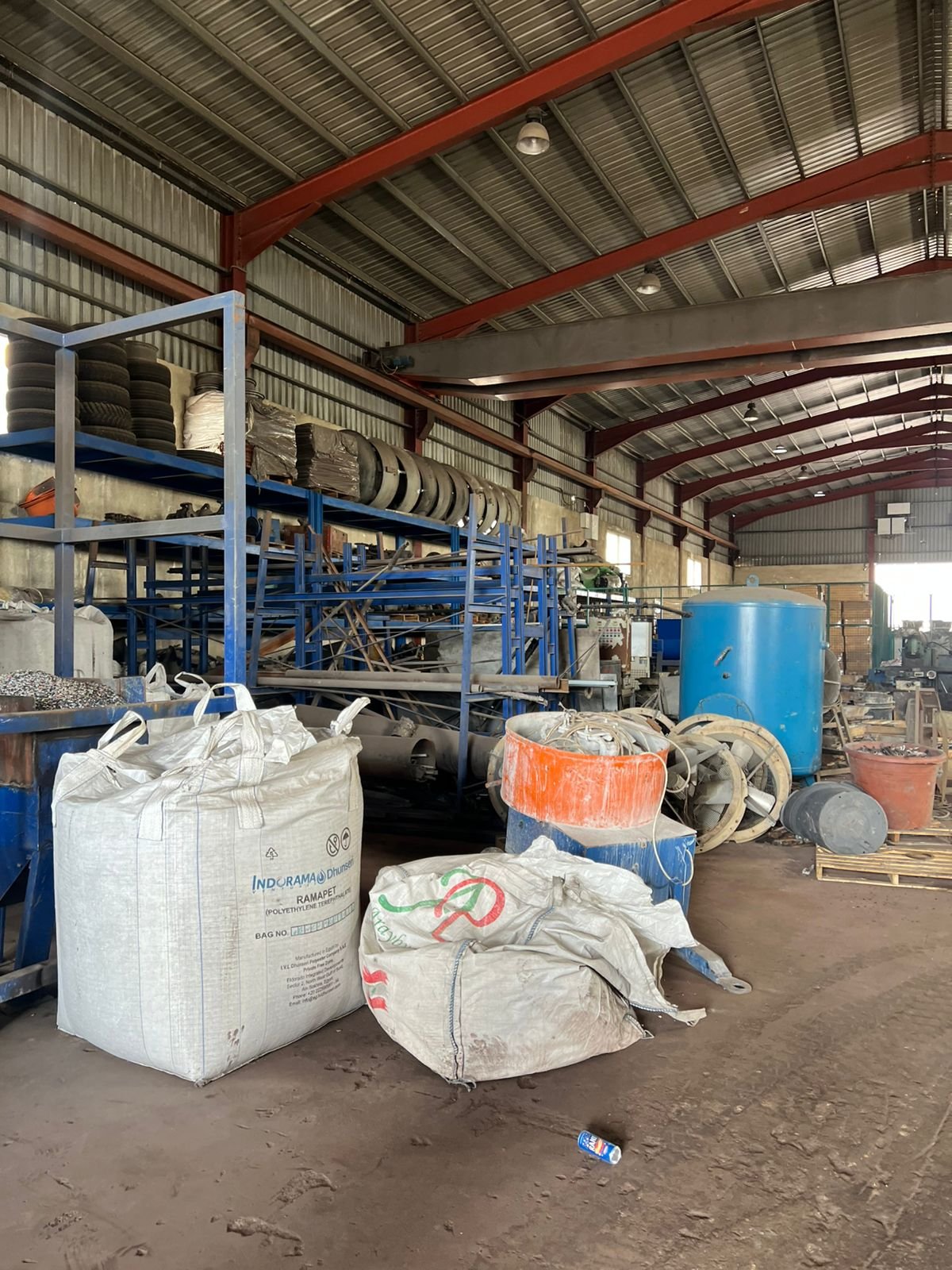
Lebanon faces a serious waste crisis. Together, we can turn metals and plastics from pollution into possibility.
Recycling is the process of collecting waste materials and turning them into new products instead of throwing them away. It allows materials that would normally become garbage to be reused in a useful way.
A plastic bottle can be recycled into a new bottle or even clothing, while a metal can can be melted and reused. Recycling reduces landfill waste, saves natural resources, and uses less energy compared to producing new materials from raw resources.
Lebanon produces large amounts of waste every day, but much of it is not properly managed. The consequences are visible everywhere.
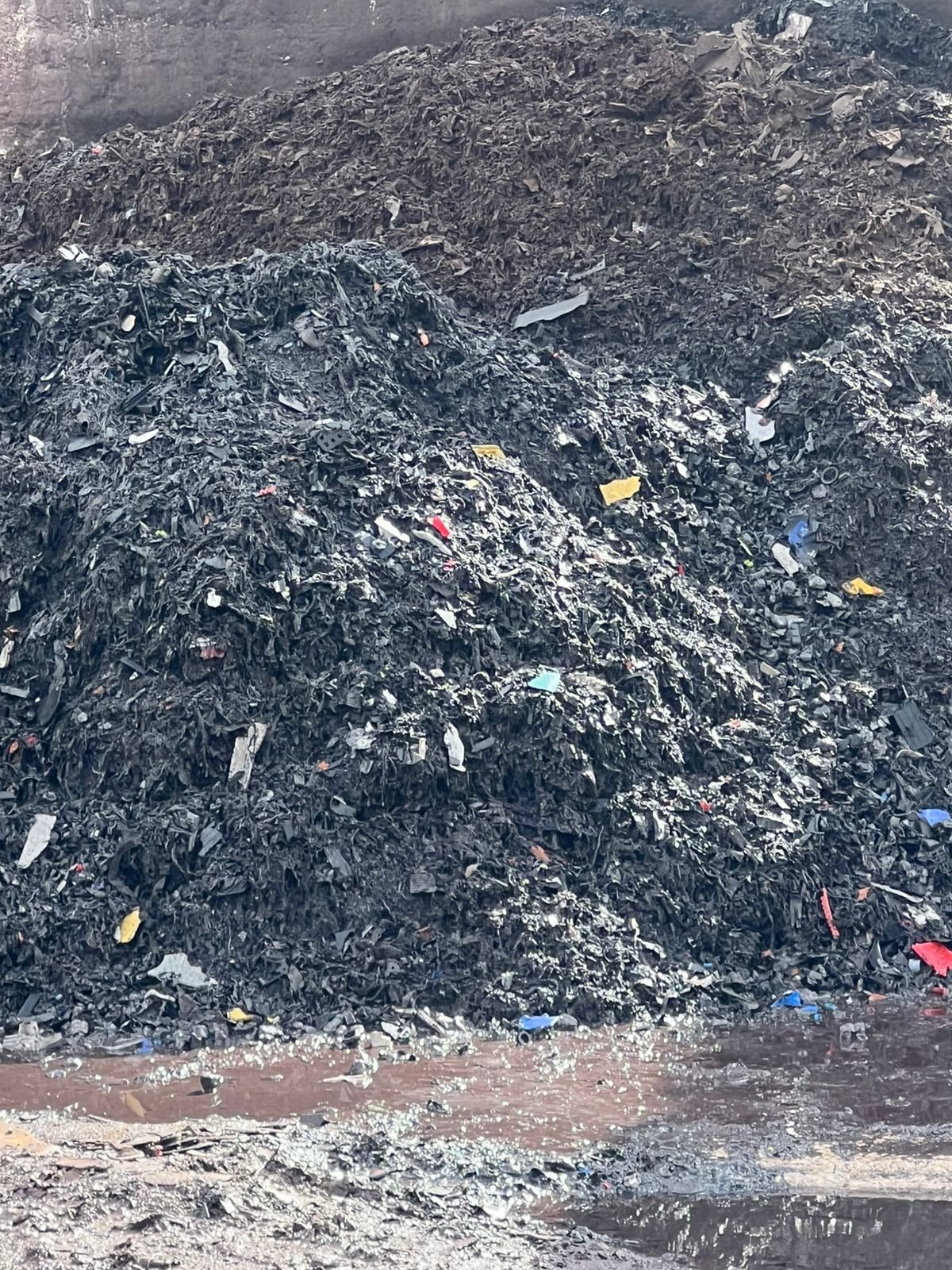
Waste is often dumped in open areas or burned, releasing toxic gases into the air and causing serious breathing problems and health issues for nearby communities.
Most people throw all garbage into the same bin instead of separating recyclable materials like metals and plastics, making recycling nearly impossible.
There are not enough recycling facilities to handle the waste produced, and limited public awareness means valuable materials are lost while pollution increases.
Metals are used in many everyday products — aluminum cans, steel containers, and copper wires. Producing new metal requires mining natural resources and massive energy, damaging ecosystems.
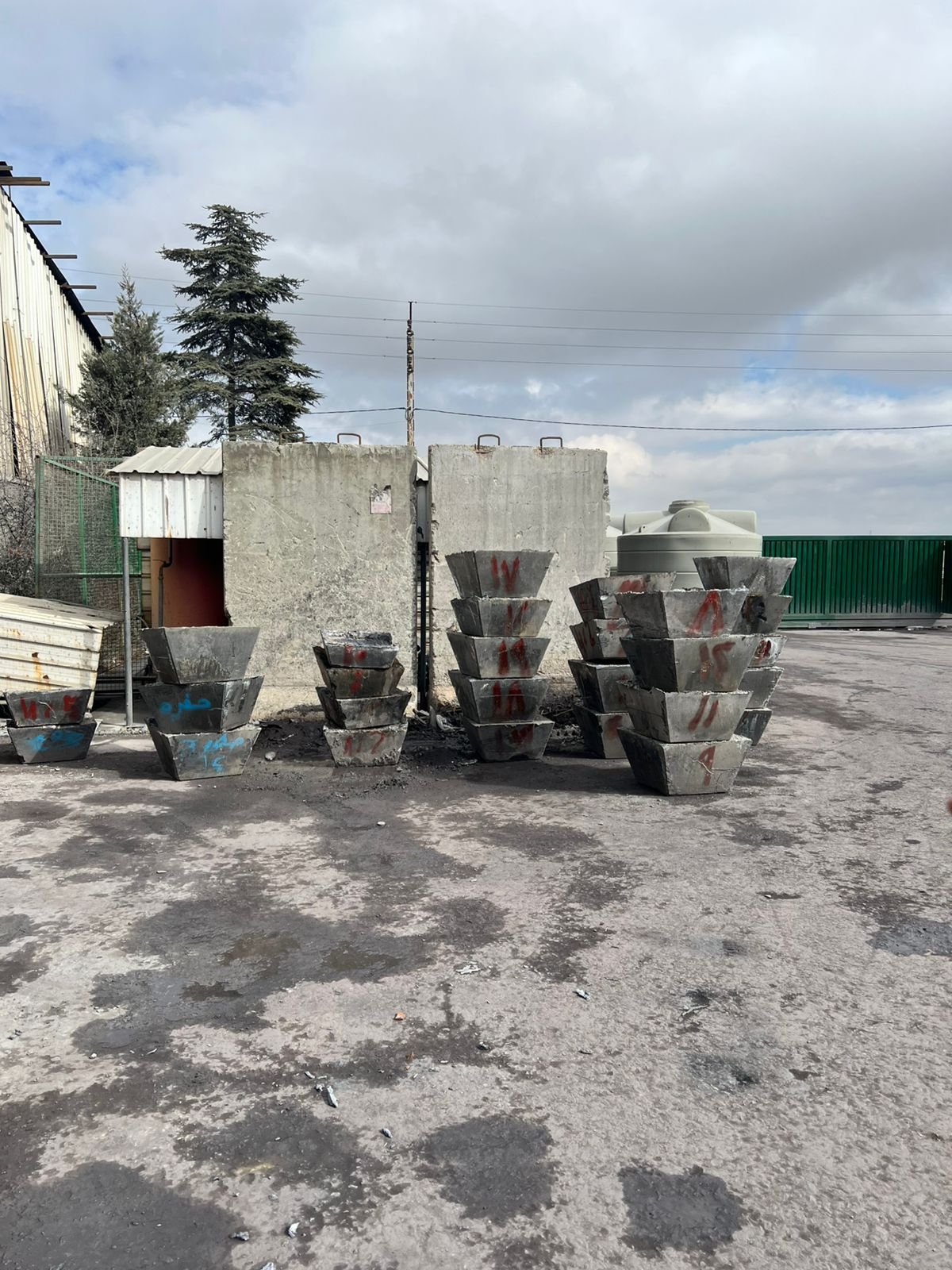
Recycling metals uses much less energy and helps reduce pollution significantly. The process involves collection, sorting by type, cleaning, melting at high temperatures, and reshaping into new forms.
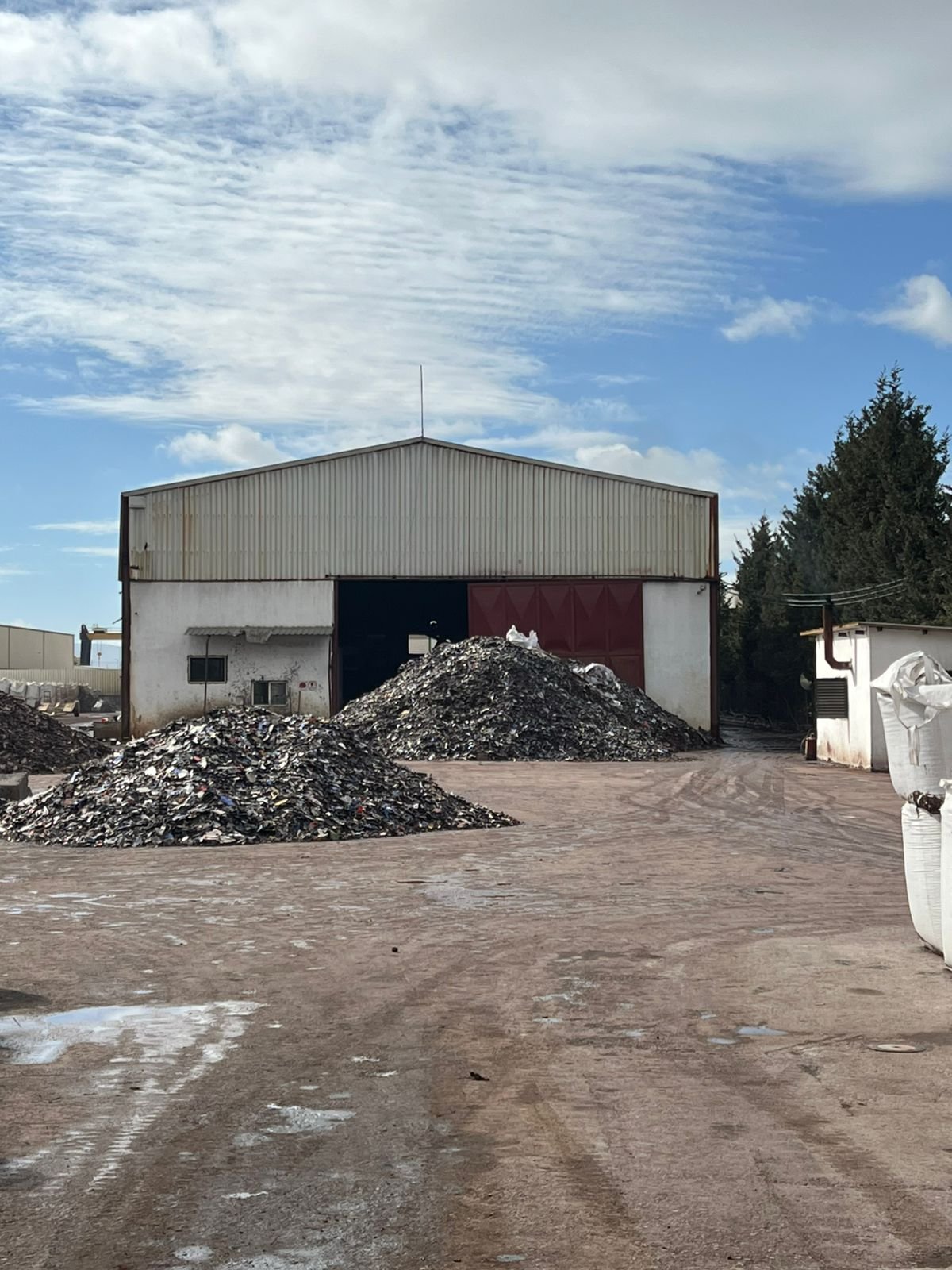
Metal waste gathered from homes, businesses, and public areas
Separated into aluminum, steel, copper and cleaned of impurities
Melted at high temperatures and formed into sheets, bars, or new products
Cans, foil, containers
Food cans, appliances
Wires, pipes, electronics
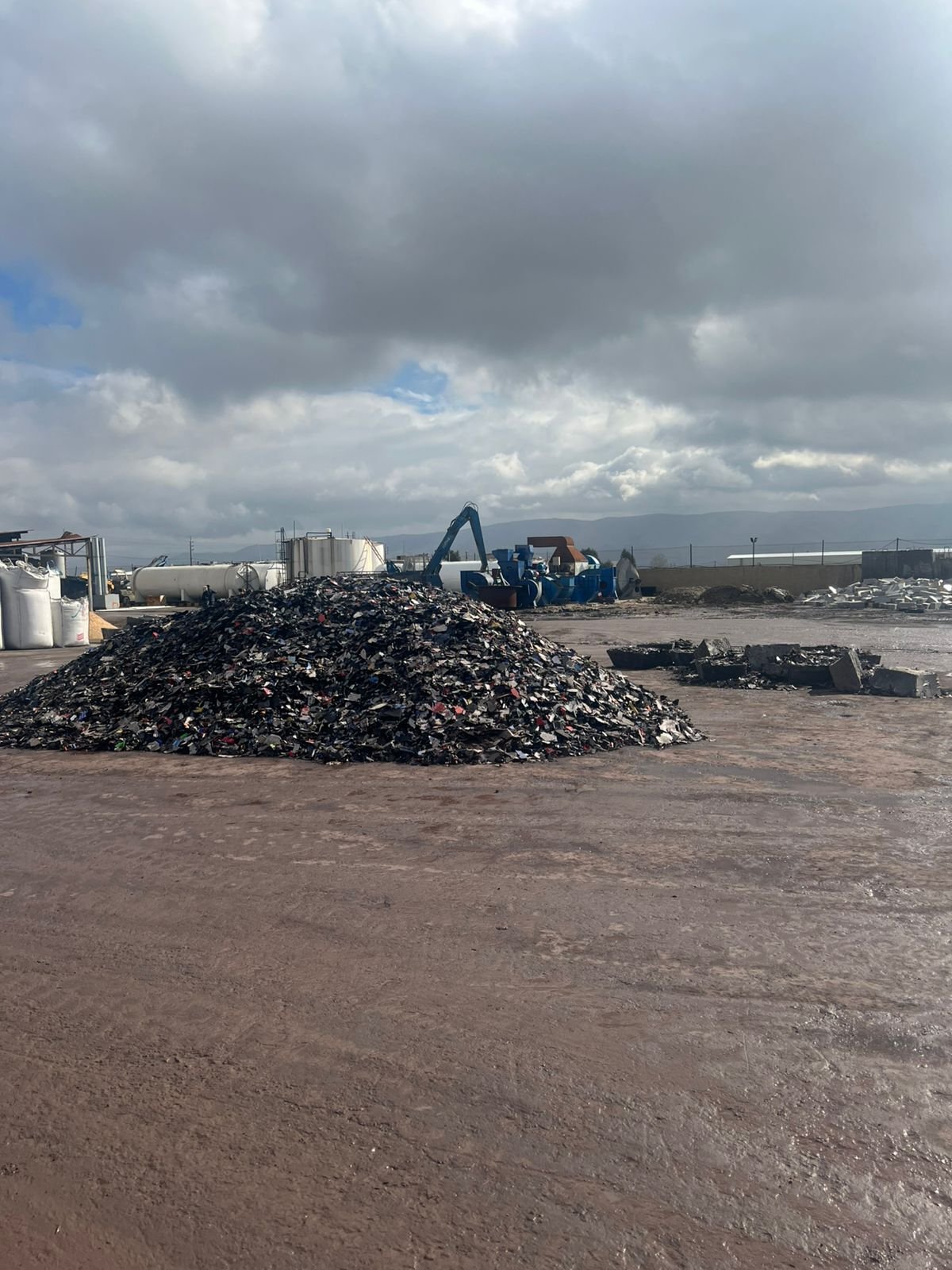
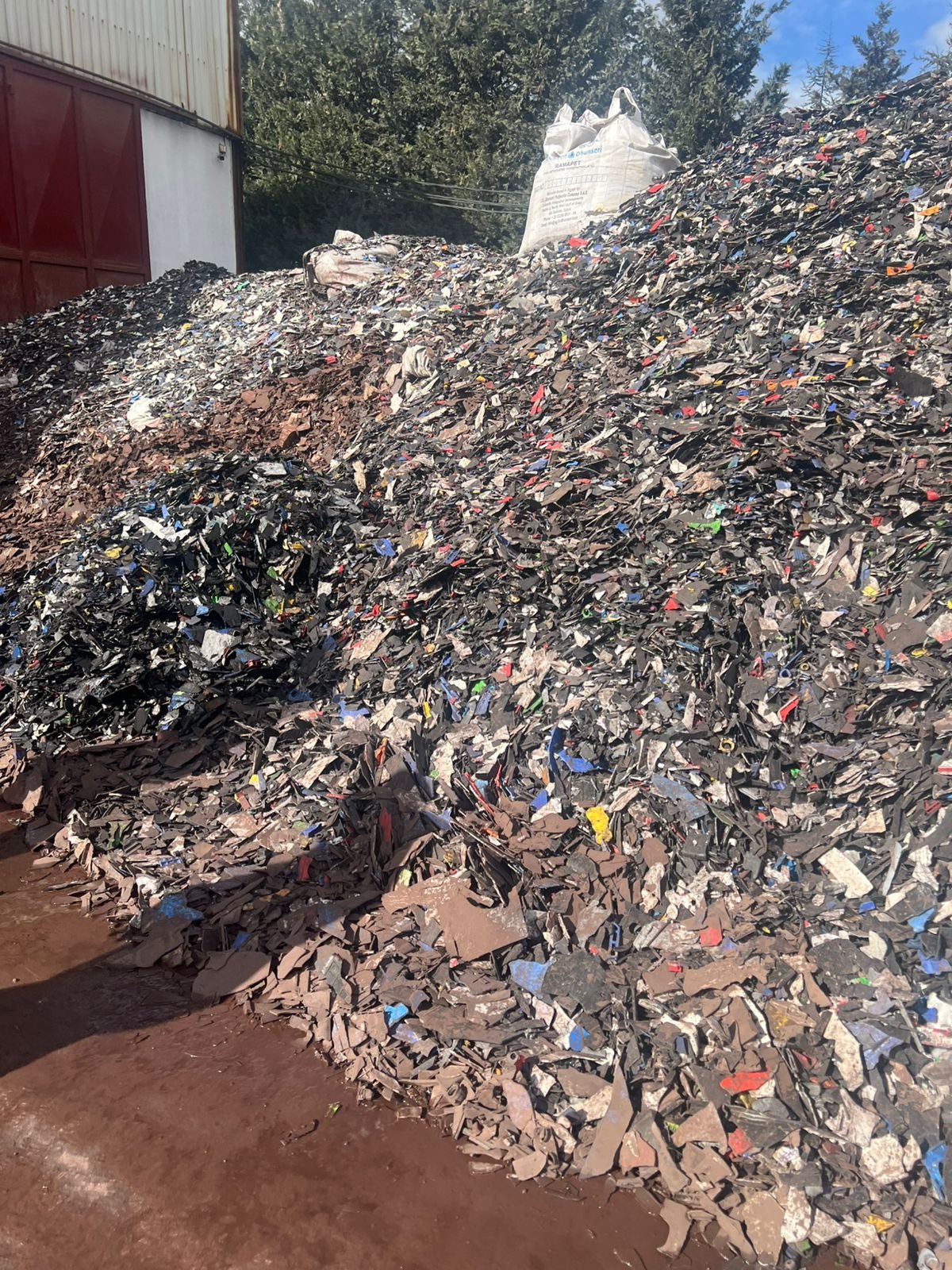
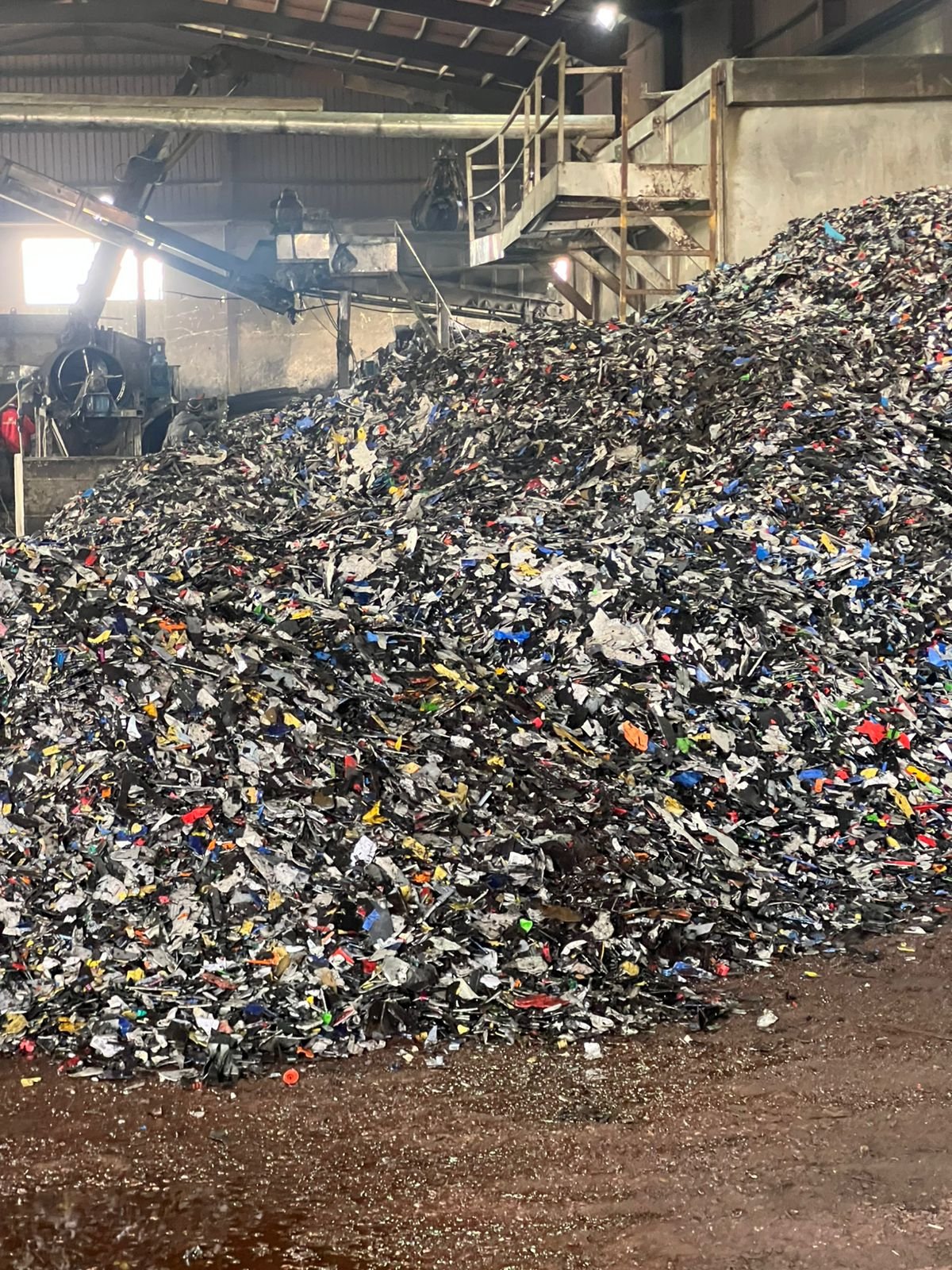
Plastic is everywhere — bottles, bags, packaging, and containers. While useful, it takes hundreds of years to break down and often ends up in landfills or the sea, harming animals and polluting ecosystems.
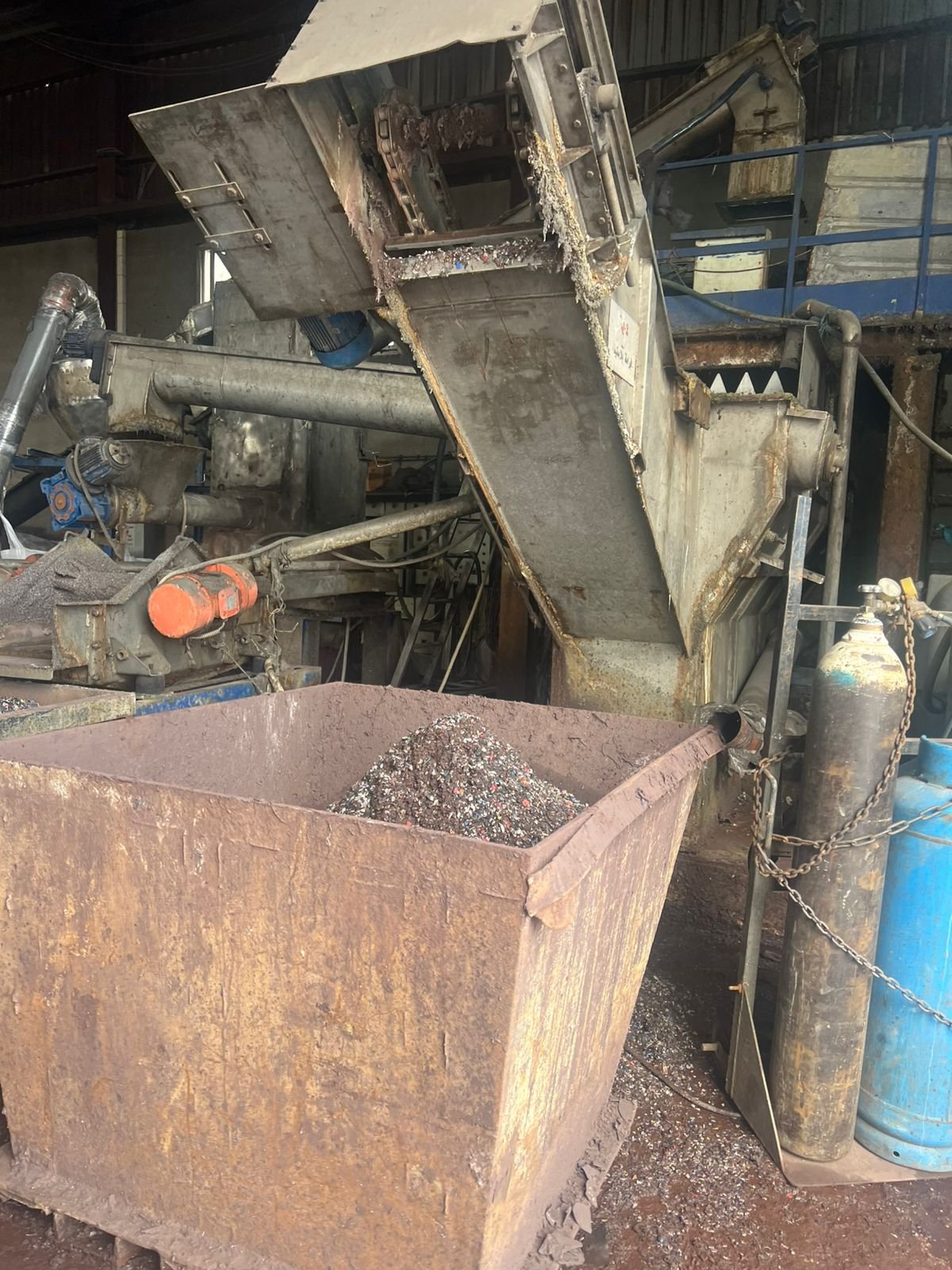
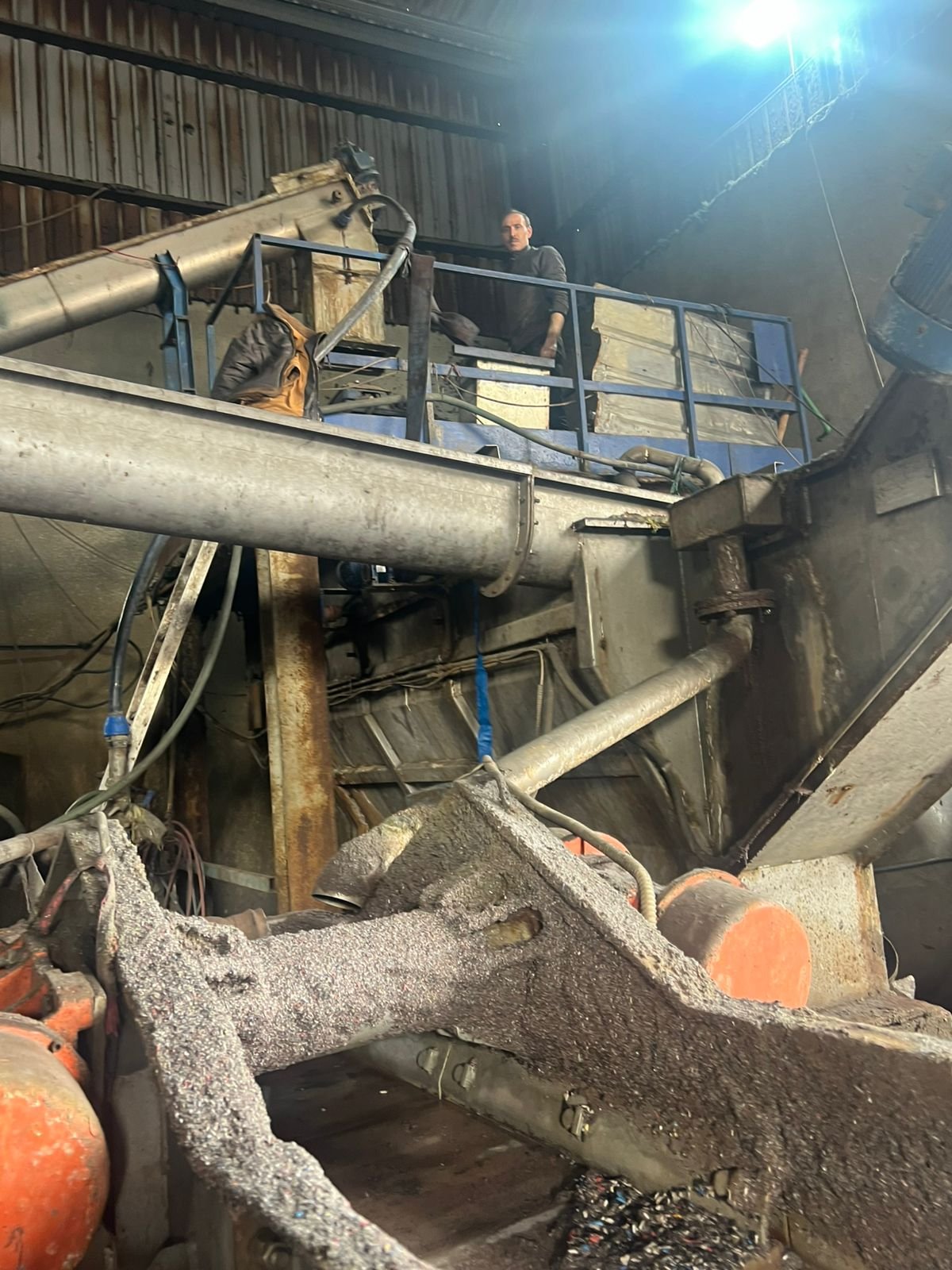
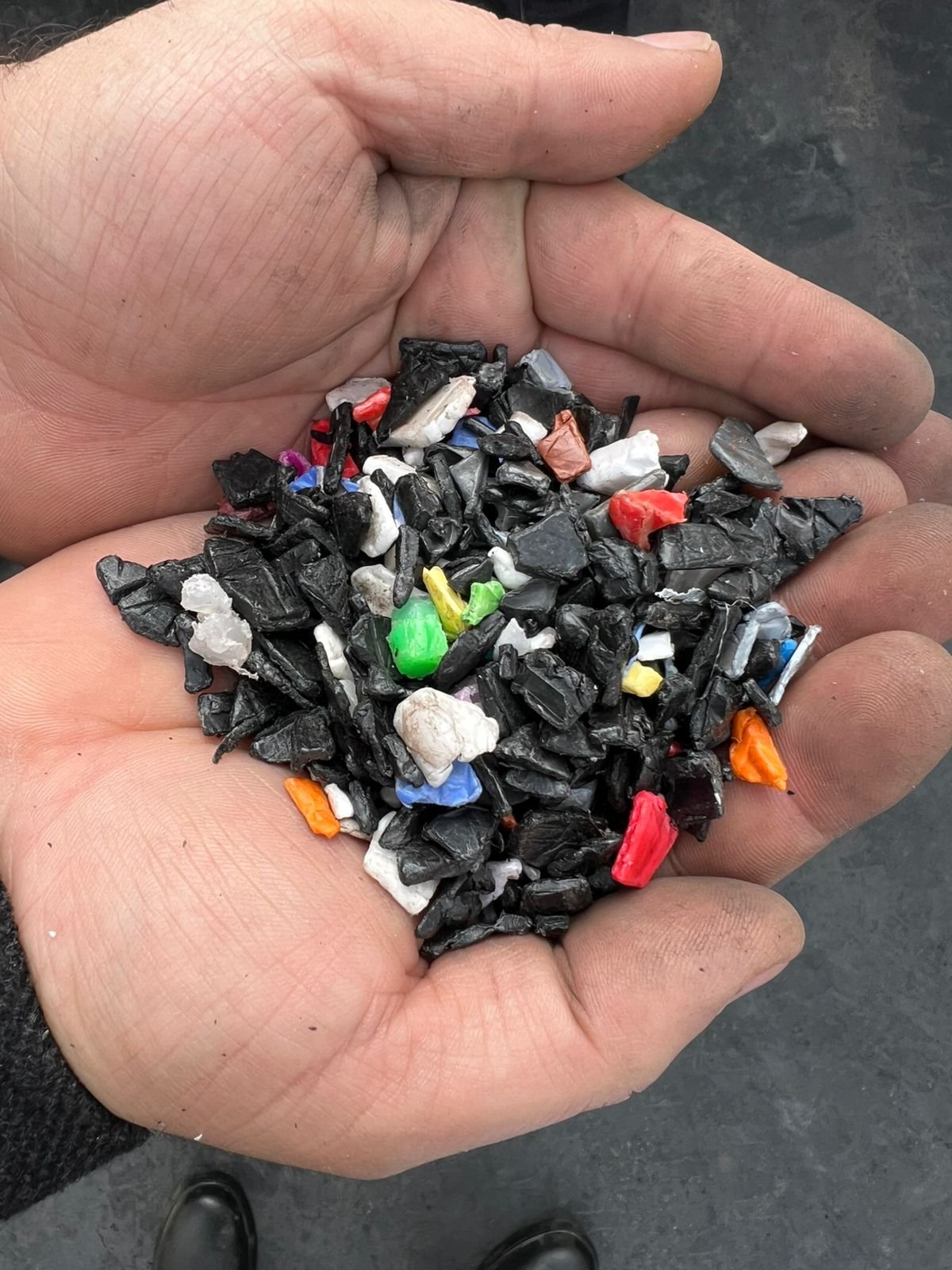
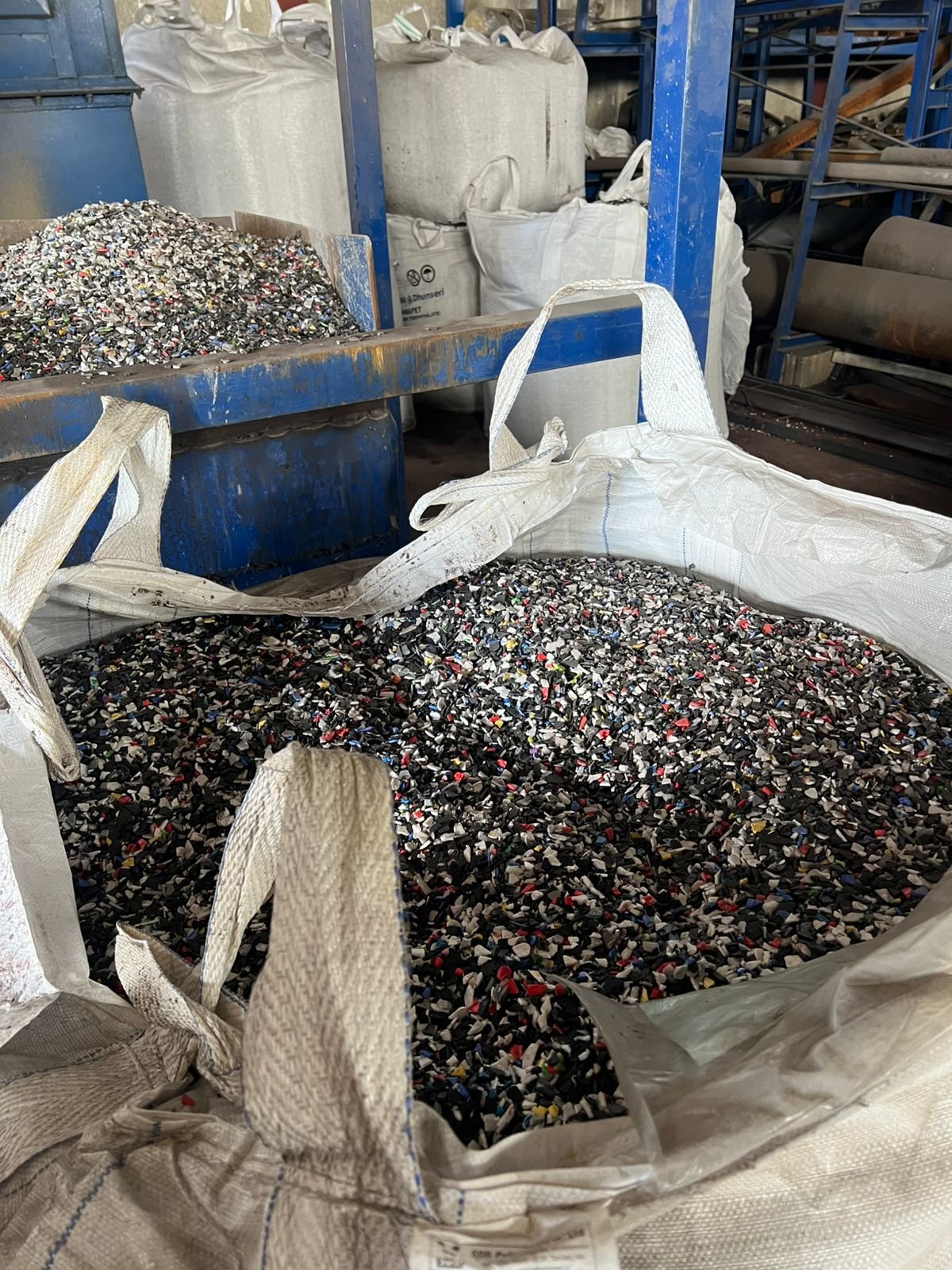
The recycling process sorts plastics by type since different plastics require different methods. After cleaning and shredding, the plastic is melted into liquid form and used to make new products.
Improper waste management has a devastating effect on every aspect of our environment and health.
Harmful substances leach into soil, contaminating agricultural land and groundwater
Waste enters rivers and seas, polluting water sources and harming marine ecosystems
Burning waste releases toxic gases causing respiratory problems and other diseases
Contaminated food and water lead to diseases affecting both humans and animals
Animals may eat plastic or become trapped in it, leading to injury or death. Recycling helps reduce all of these negative effects by decreasing waste and lowering pollution levels.
Not enough recycling facilities exist to process the waste produced across the country.
Recyclable materials are mixed with general waste, making the recycling process far more difficult and costly.
Many people don't know how to recycle or where to take recyclable materials in their communities.
Waste management systems are poorly organized with weak enforcement of environmental policies and open dumping remains common.
Simple, actionable steps that individuals and communities can take right now to improve recycling and reduce waste.
Keep plastics and metals separate from other garbage. Use different bins for different waste types.
Choose reusable bags, avoid single-use items, and opt for products with minimal packaging.
Find creative ways to reuse containers, bags, and other materials before disposing of them.
Communities can install accessible recycling bins in public spaces to make recycling easier for everyone.
Organize clean-up activities, workshops, and use social media to educate others about recycling.
Websites and apps can share knowledge, connect recyclers, and encourage positive environmental behavior.
When people understand how recycling works and why it matters, they change their behavior. Education empowers better decisions — reducing waste, reusing materials, and recycling properly.
By increasing awareness, we encourage more people to take responsibility for protecting the environment and adopting sustainable habits in their daily lives.
More likely to recycle when educated
Waste reduction with awareness programs
Support for better waste policies
Message Sent!
Thank you for reaching out. We'll respond soon.